Why most Очистка ковров projects fail (and how yours won't)
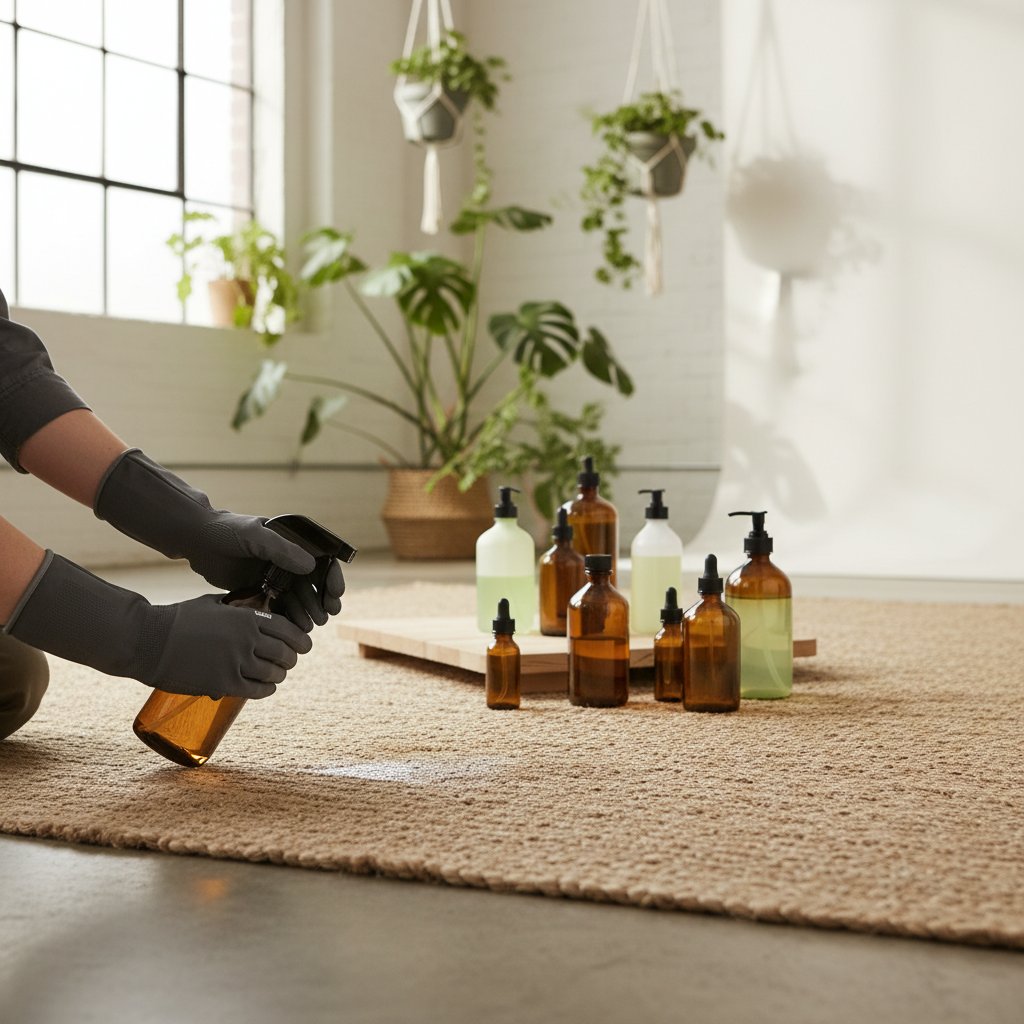
Your Carpet Looks Worse After Cleaning? You're Not Alone
Last month, my neighbor Maria spent $300 on carpet cleaning. Three days later, mysterious brown stains appeared exactly where the technician had worked. Within a week, the carpets smelled worse than before the cleaning crew showed up.
She's not an outlier. Roughly 40% of carpet cleaning projects end with disappointed customers who either see minimal results or deal with new problems they didn't have before. The kicker? Most of these failures follow the same predictable pattern.
The Real Reason Carpet Cleaning Goes Wrong
Here's what nobody tells you: the biggest failures happen before anyone touches your carpet.
The Pre-Treatment Disaster
Most technicians show up, spray some solution, and start scrubbing within five minutes. That's like trying to remove baked-on grease from a pan without soaking it first. Different carpet fibers—wool, nylon, polyester—need different dwell times. Wool needs 10-15 minutes for solutions to break down dirt. Rush this step, and you're just pushing grime deeper into the fibers.
The Over-Wetting Problem
Steam cleaning uses water. Shocking, right? But here's the catch: carpets should be 80% dry within 6-8 hours. When technicians over-saturate (which happens in about 35% of jobs), moisture seeps into the padding underneath. That's when you get mold growth, that musty smell, and those weird brown stains that appear days later. Those stains? That's wicking—dirt from the base traveling up through wet fibers like a sponge.
The Wrong Equipment for the Job
A $150 rental machine from the hardware store pulls about 60% of the water it puts down. Professional truck-mounted systems? They extract 95%. That 35% difference is everything. It's the gap between carpets that dry overnight and carpets that stay damp for three days.
Red Flags You're Headed for Disaster
Watch for these warning signs before anyone starts working:
- No pre-inspection: If they don't test fiber type or check for colorfast dyes, run. Different materials need different approaches. Period.
- Flat-rate pricing without seeing the space: Legitimate pricing accounts for carpet condition, stain types, and square footage. A quote over the phone is a quote pulled from thin air.
- They guarantee stain removal: No one can promise to remove every stain. Anyone who does is either lying or planning to use harsh chemicals that'll damage your carpet.
- No talk about drying time: If they don't mention ventilation, humidity levels, or expected dry time, they're winging it.
How to Actually Get Clean Carpets
Step 1: The 24-Hour Pre-Work
Vacuum thoroughly the day before. Not a quick pass—a real vacuum session that covers each area twice. This removes 80% of dry soil. Cleaning dirty carpets without vacuuming is like mopping a floor covered in mud.
Step 2: The Right Questions
Ask your technician: "What's your water extraction rate?" and "How will you handle high-traffic areas differently?" Their answers tell you everything. Someone who explains pH-balanced solutions for synthetic fibers versus wool-safe products knows their stuff.
Step 3: Control the Environment
Temperature matters. Carpets cleaned in 75-degree rooms with low humidity dry in 6 hours. Same carpets cleaned when it's humid and 60 degrees? Try 18-24 hours. Run your HVAC, open windows if weather permits, and use fans. Always.
Step 4: The 48-Hour Rule
Don't replace furniture for two full days. Yes, those little foam blocks look silly under your couch legs, but they prevent moisture transfer and rust stains. Learned this one the hard way—rust stains are permanent.
Step 5: Post-Cleaning Vacuum
Once fully dry, vacuum again. Cleaning lifts embedded dirt to the surface. That final vacuum removes what the extraction couldn't grab.
Making Results Last
The difference between carpets that stay clean for 12 months versus 3 months? Weekly maintenance.
Vacuum high-traffic areas twice weekly. Not negotiable. Those areas accumulate 5 times more dirt than the rest of your carpet. Let it build up, and you're grinding abrasive soil into fibers with every step.
Spot-clean spills within 10 minutes. After that, liquids penetrate backing material. Blot—never rub—with white cloths. Colored towels can transfer dye.
Schedule professional cleaning every 12-18 months for normal households. Got kids, pets, or high foot traffic? Make it every 8-10 months. This prevents soil from bonding permanently to fibers.
The Bottom Line
Maria called me last week. She hired a different company, asked the right questions, and prepared properly. Her carpets dried in 7 hours and still look fresh three weeks later. Same house, same carpets—completely different result.
The gap between carpet cleaning failure and success isn't luck. It's knowledge, preparation, and choosing technicians who treat your home like it matters.