Очистка ковров in 2024: what's changed and what works
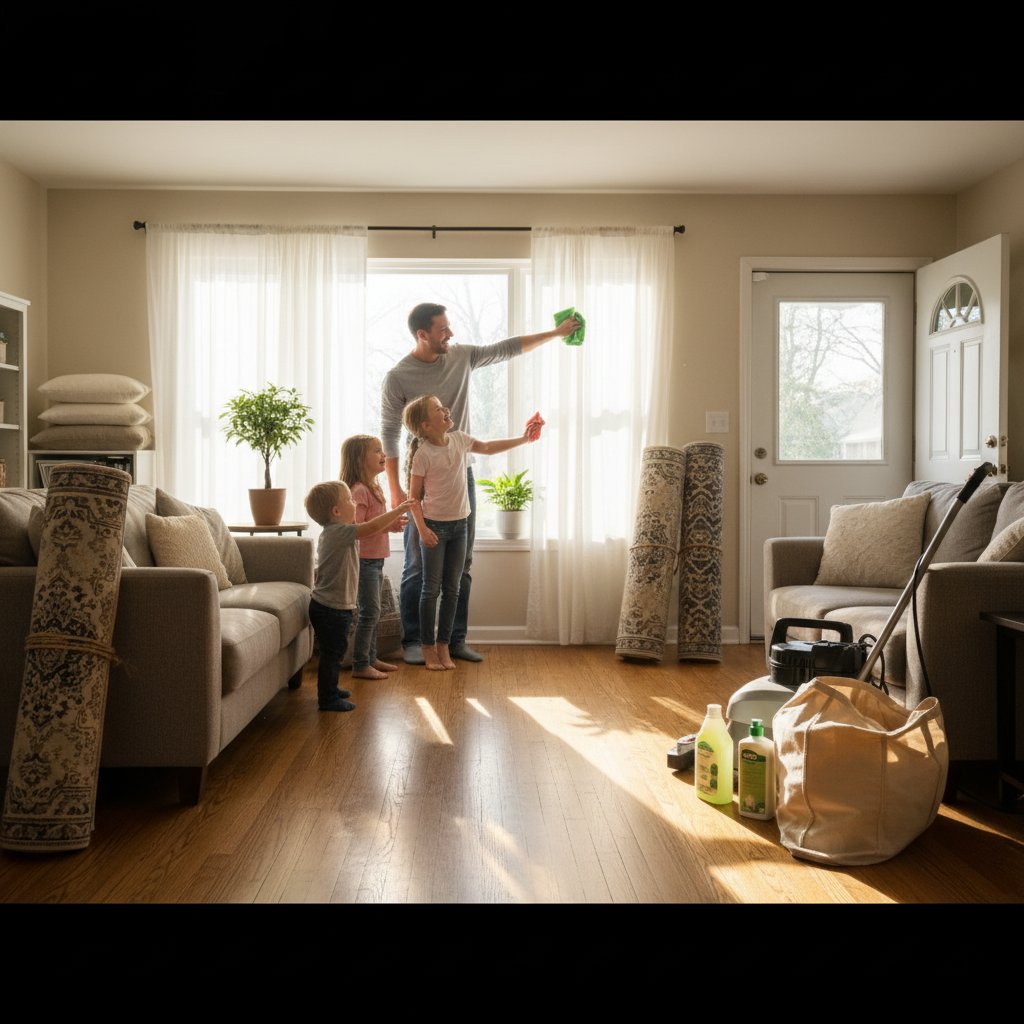
Carpet cleaning has evolved dramatically over the past year, and honestly? Some of these changes are long overdue. Between eco-friendly innovations and tech that actually works, 2024 is shaping up to be a game-changer for anyone who's ever stared at a stubborn wine stain at 2 AM wondering if that carpet is salvageable. Let's dig into what's actually making waves this year.
1. Enzyme-Based Cleaners Have Finally Gone Mainstream
Remember when enzyme cleaners were this niche thing only pet owners knew about? Not anymore. These biological powerhouses have exploded in popularity because they actually break down organic matter at a molecular level instead of just masking odors. We're talking proteins, starches, and oils—the stuff that makes your carpet smell like last Tuesday's taco night.
The real breakthrough came when manufacturers figured out how to stabilize these enzymes for longer shelf life without sacrificing effectiveness. Products now maintain 85-90% potency for up to 18 months, compared to the 6-month window we dealt with before. Price-wise, you're looking at $15-30 for a quality enzyme cleaner that'll handle about 500 square feet, which beats repeatedly buying temporary fixes.
2. Low-Moisture Cleaning Is Crushing Traditional Steam Methods
Steam cleaning used to be the gold standard, but here's the dirty secret: carpets staying damp for 12-24 hours creates a mold paradise. Low-moisture encapsulation technology changed the game by using specialized polymers that crystallize around dirt particles. Your carpet is dry and walkable in 1-2 hours, not tomorrow afternoon.
The method uses roughly 90% less water than traditional hot water extraction. For commercial spaces, this translates to actual dollars saved—a 5,000 square foot office can be cleaned during lunch break instead of requiring after-hours scheduling. Residential users love that they're not running dehumidifiers or pointing fans at their floors until midnight.
3. UV-C Sanitization Devices Actually Work Now
UV-C technology for carpet sanitization sounded gimmicky when it first appeared, but the 2024 versions deliver measurable results. Independent lab tests show these devices eliminate 99.7% of common bacteria and dust mites when used correctly—that's comparable to professional-grade treatment.
The catch? You need to move the device slowly, about 1 foot per 10 seconds. Rush it, and you're basically just vacuuming with extra steps. The handheld models run $120-200, while larger units for whole-room treatment hit $400-600. For allergy sufferers or homes with immune-compromised individuals, the investment pays off in reduced symptoms and fewer doctor visits.
4. Subscription Maintenance Services Are Weirdly Practical
This sounds like another Silicon Valley attempt to subscription-ify everything, but hear me out. These services send professional-grade cleaning solutions and equipment rentals on a quarterly schedule for $40-80 per delivery. You get the industrial-strength stuff without storing bulky machines or letting products expire in your garage.
The model works because consistency matters more than intensity for carpet longevity. Four light cleanings per year outperform one aggressive annual deep clean. Plus, you're not scrambling to find a reputable service when disaster strikes—you've already got supplies on hand when your kid decides to "paint" the living room with chocolate milk.
5. Plant-Based Surfactants Have Replaced Harsh Chemicals
The shift toward coconut and corn-derived surfactants isn't just greenwashing—these compounds lift dirt more effectively than traditional petroleum-based ingredients while breaking down completely within 28 days. Your carpet gets cleaner, and you're not introducing persistent chemicals into your home environment.
Performance-wise, plant-based formulas now match or exceed synthetic alternatives in standardized dirt removal tests. The pH levels hover around 7-8 (neutral to slightly alkaline), which means they won't degrade carpet fibers over time like older alkaline cleaners did. Expect to pay roughly the same as conventional products, typically $12-25 per concentrated bottle.
6. Smart Sensors Tell You When Cleaning Is Actually Needed
Stop cleaning on arbitrary schedules. New sensor mats placed under high-traffic areas measure particle accumulation, moisture levels, and even detect volatile organic compounds. The accompanying apps alert you when cleaning is genuinely necessary, not just when the calendar says it's been three months.
These systems run $150-300 for a starter kit covering 2-3 zones in your home. The data gets surprisingly specific—you'll know that the hallway needs attention while the bedroom can wait another two weeks. Facilities managers in commercial buildings report 30-40% reductions in unnecessary cleaning appointments, which adds up fast when you're paying per visit.
The carpet cleaning landscape looks nothing like it did even two years ago. Between biotechnology, smarter equipment, and data-driven maintenance, we've moved past the "spray and pray" era into something that actually respects both your time and your floors. The best part? Most of these innovations are accessible right now, not locked behind professional-only gates or requiring a second mortgage.